

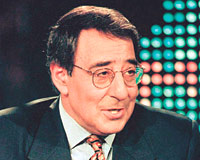
Panetta has relatively little experience in national security matters, although he did participate in daily intelligence briefings with President Bill Clinton when he served as Clinton's chief of staff between 1994 and 1997. Sen. Dianne Feinstein, poised to head the Senate intelligence committee, said she had not been notified of the selection of Panetta to be CIA director and indicated that she was not pleased with Obama's choice.
"My position has consistently been that I believe the agency is best-served by having an intelligence professional in charge at this time," Feinstein said in a statement. The California Democrat would oversee Panetta's confirmation hearing.
Panetta is best known as a budget expert who tamed deficits in the White House and during a prior 16-year stint as a congressman from California. He was a member of the Iraq Study Group, a bipartisan commission that was charged with assessing a way to end the Iraq war.
Its recommendations for a phased troop withdrawal were largely ignored by the Bush administration, which chose to increase the US military presence there instead. Intelligence experts said Panetta's knowledge of the inner workings of government, and his strong bipartisan reputation for fairness, would prove valuable.
"It was a surprise, but I think he will prove to be a valuable pick," said a source with close ties to US intelligence.
Panetta would succeed Michael Hayden, who has been criticized by some Democrats and human rights groups for his defense of Bush administration counterterrorism tactics. Hayden has sought to restore stability at the spy agency. The CIA has been at the center of a number of major controversies during Bush's presidency, beginning with intelligence failures before the Sept. 11, 2001, attacks and then faulty prewar intelligence about Iraq's weapons programs. The agency also has been criticized for the use of waterboarding, or simulated drowning, and other harsh interrogation methods on al-Qaeda suspects.
REUTERS WASHINGTON


